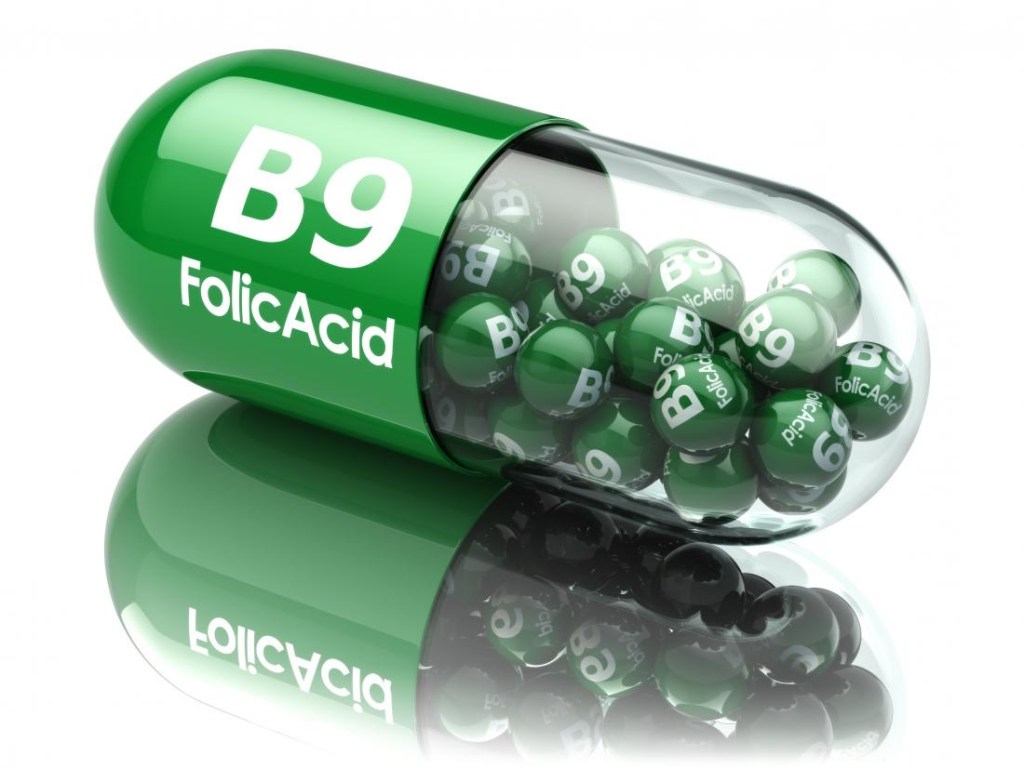
Folate, also known as vitamin B9, is an essential nutrient needed for synthesis of brain neurotransmitters, Serotonin, Dopamine and Norepinephrine. Due to its importance, a deficiency in Folate is associated with depression, Attention Deficit Disorder (ADD) and other neuropsychiatric disorders. On top of this, folate imbalance can cause blood clots and an increased risk of cancer.
It has been shown that people with autism have reduced folate. This affects many aspects including DNA,RNA synthesis and cell replication, synthesis of neurotransmitters which all effects brain development. It has even shown to affect developing babies in their mothers womb with a direct correlation between a mother with reduced folate and the likelihood of the child being autistic.
The theory behind the link between folate and autism surrounds the folate receptors. Folate in itself cannot enter the brain, it must attach to folate Receptors in the Choroid Plexus, which turn it into the active form 5MTHF (5-Metha-Tetra-Hydro-Folate). This can then cross the blood brain barrier, where it enters the brain and promotes neurotransmitter production.
Unfortunately in those with Autism, often these receptors do not function due to certain antibodies. It is a form of auto-immune disease in which an immune response is directed at the receptors. This stops the folate from being able to enter the brain. It as been found that 75% of autistic people have these antibodies that prevent the receptors from working. For this reason treating these children with ordinary folic acid will be of no benefit
There has however been success found in using Leucovorin, Devlin & Levofolinate. These chemicals are classed as activated folate vitamins meaning they come in a form that can already cross the blood brain barrier, which in turn makes it accessible for these people. It has been found a third of autistic children with this treatment were ‘moderately’ to ‘much improved’ in verbal communication, receptive and expressive language, attention and stereotypical behaviour.
Another possible issue is MTHFR mutation. This is similar but it is a genetic mutation that prevents folate converting to 5MTMH (the active form). It reduces efficiency by up to 70%. This is also associated with Autism, ADD and other neuropsychiatric disorders. Again a treatment of an activated folate should help. Often however these patients are misdiagnosed and treated with a poly-drug approach such as Ritalin, Adderal, Anti-depressants and anti-psychotics. None of these will address the folate conversion problem. It will in effect, treat the symptoms not the cause, which is often ineffective. The sad thing is, the correct treatment of activated folate can in fact be found over the counter easily. It is possible to get tested for this mutation either by a lab or using a home test kit, ordered online (google MTHFR mutation test, there are lots available).
These findings are a breakthrough moment as they offer an easy and affordable form of treatment for autism that is effective for many people. It has also been found that combining these treatments alongside a steroid, dexamethasone, which helps reduce brain inflammation, has shown very positive results.
It’s also worth noting the importance of folate during pregnancy. As discussed earlier having low folate during pregnancy can cause many developmental issues. It is therefore vital pregnant women ensure they have the required quantity of folate in their system. This could be achieved through supplements however it is also available via dietary means. Food such as leafy greens, citrus and beans are high in folate, whilst you can also buy folate fortified products such as cereals, pasta and bread. It is worth noting that some pregnant women can also suffer from antibodies blocking the receptors. In these instances treatment with an active form of folate is required to ensure a healthy mother and child.
It is important to discuss any treatment with a medical professional in order to ascertain the correct compound and dosage, as too much folate can be dangerous.
https://n.neurology.org/content/64/6/1088.short
https://www.nejm.org/doi/full/10.1056/nejmoa043160
 Jacob's Time
Very interesting about folates and deficiency. It would be wonderful if this could be analysed in every person with autism.
LikeLike